


Neck Haven Cervical Pillow – Orthopedic Support for Neck Pain Relief
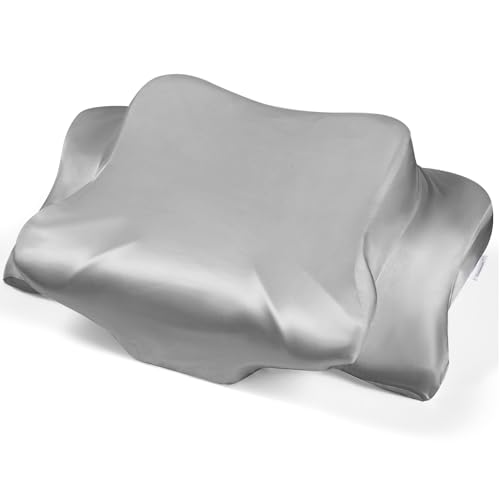
Our Neck Haven pillow is engineered with a contoured design that cradles your neck and head in the ideal position throughout the night. The raised edges provide lateral support for side sleepers while the center depression accommodates back sleepers who need proper cervical curve maintenance.
We developed this pillow with input from chiropractors and physical therapists who understand how critical spinal alignment is during sleep. The high-density memory foam core responds to your unique shape without collapsing, ensuring consistent support whether you shift positions or stay in one spot all night. If you wake up with neck stiffness or headaches, our pillow addresses the root cause by keeping your spine neutral from base of skull to shoulders.
What makes this pillow different
Memory foam construction and durability
We use CertiPUR-US certified memory foam that’s free from harmful chemicals and heavy metals. The density is calibrated at 4.5 pounds per cubic foot, which sits in the sweet spot between soft comfort foam and overly firm orthopedic materials.
This density level means the pillow won’t flatten out after a few months like traditional pillows. We’ve tested our foam through 50,000 compression cycles to simulate years of nightly use, and it maintains over 95% of its original height and support. The foam also has an open-cell structure that allows air circulation, preventing the heat buildup that makes some memory foam pillows uncomfortably warm.
How the contoured shape supports your neck
The raised bolsters on each side measure 5.5 inches high and are positioned to fill the gap between your shoulder and head when you sleep on your side. This keeps your cervical spine horizontal rather than kinked downward or stretched upward.
For back sleepers
The center depression sits 4.5 inches high and cradles the natural curve at the base of your skull. Your head rests in the depression while the bolster supports your neck curve, maintaining the lordotic position your spine needs. Many people who’ve tried standard cervical support options find this dual-height design more comfortable because it accommodates position changes without forcing you into one locked posture.
Bamboo cover fabric and temperature regulation
We chose bamboo-derived rayon for the outer cover because it pulls moisture away from your skin faster than cotton or polyester. The weave creates tiny channels that enhance breathability, working together with the foam’s ventilation to keep surface temperature neutral.
The cover unzips completely for machine washing in cold water. We recommend washing every two to three weeks and air-drying or tumble-drying on low heat. The zipper is positioned along the back edge where you won’t feel it against your face or neck during sleep.
More cervical support solutions for better sleep


Rated 4.8 by verified buyers

Questions about the Neck Haven cervical pillow
Most people feel comfortable within the first one to three nights as their neck muscles adapt to proper alignment. If you've been using a flat pillow or sleeping without adequate support, you may experience mild muscle soreness for the first few days as your cervical muscles reposition.
We recommend giving your body at least two weeks to fully adjust before deciding if the pillow works for you. The initial unfamiliar sensation doesn't mean the pillow is wrong for you—it often indicates your neck is learning a healthier position.
We don't recommend this pillow for stomach sleeping. The raised contours would force your neck into excessive extension when you're face-down, which creates strain rather than relief.
Stomach sleepers generally need very thin or flat pillows to minimize neck rotation. If you're a combination sleeper who sometimes rolls onto your stomach, you may find the pillow uncomfortable in that position even though it works well when you're on your back or side.
When lying on your side, your nose should align with the center of your body and your cervical spine should be horizontal. If your head tilts down toward the mattress, the pillow is too low. If your head tilts up toward the ceiling, it's too high.
For back sleeping, you should feel gentle support under your neck curve with your head resting in the center depression. Your chin shouldn't be pushed toward your chest or tilted back excessively. Take a photo from the side or have someone check your alignment to verify proper positioning.
This is our standard cervical pillow design with the 4.5-inch center height and 5.5-inch edge bolsters. We also offer a low-profile version with heights reduced by one inch for people with smaller frames or those who prefer less elevation.
The core materials, bamboo cover, and contoured shape are identical across both versions. The only difference is the loft measurement, which affects how much your head is elevated above the mattress surface.
You may notice a slight new-foam odor when you first unpack the pillow, which is normal for CertiPUR-US certified memory foam. This smell is not harmful and typically dissipates within 24 to 48 hours.
To speed up the off-gassing process, remove the pillow from its packaging and let it air out in a well-ventilated room for a day before using it. Placing it near an open window helps circulate fresh air through the foam cells.
Yes, many CPAP users find the contoured design works well with their mask setup. The center depression provides clearance for nasal masks and full-face masks without pushing them out of position.
The side bolsters support your head when you sleep on your side while accommodating the CPAP hose. Some users position the hose over the top of the pillow rather than along the side to prevent tugging on the mask during position changes.
Our high-density memory foam is designed to maintain structural integrity for three to five years with proper care. Unlike traditional pillows that flatten within months, the foam's resistance to compression breakdown means you'll get consistent support throughout its lifespan.
You'll know it's time to replace the pillow when you notice permanent indentations that don't spring back after you get up, or when the foam feels noticeably softer than when new. Rotating the pillow 180 degrees every few months helps distribute wear evenly.